

Termites are among the most destructive household pests in Kathmandu Valley, yet they often remain unnoticed until serious damage has already occurred. Unlike other pests, termites work silently inside walls, furniture, and wooden structures, sometimes for months or even years.
Because of Kathmandu Valley’s humid climate, aging houses, and widespread use of wooden doors, frames, and furniture, termite infestation is extremely common in areas like Kathmandu, Lalitpur, and Bhaktapur.
The good news is that early detection can prevent costly structural repairs. Knowing the warning signs allows homeowners to take timely action before the damage becomes severe.
Below are the most common signs of termite infestation in Kathmandu homes that you should never ignore.
1. Hollow or Papery-Sounding Wood
One of the earliest signs of termite activity is wood that sounds hollow when tapped. Termites eat wood from the inside, leaving only a thin outer layer.
Tap on wooden areas around your home. If the wood feels light or sounds hollow, termites may already be present.
Commonly affected areas include:
- Door frames
- Window frames
- Wooden cupboards
- Parqueting floors
- Ceiling or attic beams
2. Mud Tubes on Walls or Floors
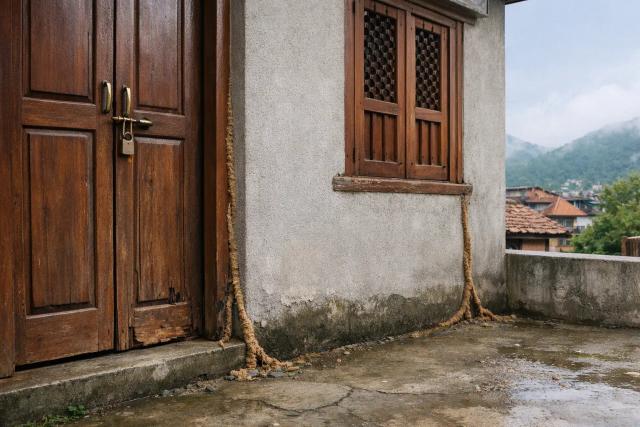
Subterranean termites, which are very common in Kathmandu Valley, build mud tubes to travel between the soil and wooden structures.
These pencil-sized tunnels are often found on:
- Exterior walls
- Foundation areas
- Corners of rooms
- Bathroom walls
- Basement or storage areas
The presence of mud tubes is a clear indication that termites are active inside the house.
3. Discarded Wings Near Doors or Windows
If you notice small, transparent wings near windowsills, balconies, or door edges, it may indicate a termite infestation.
Termite swarmers enter homes to start new colonies and shed their wings after finding a suitable place.
Discarded wings are commonly found near:
- Doors and windows
- Balcony floors
- Window frames
- Light fixtures
4. Frass (Termite Droppings) Around Wooden Areas
Drywood termites leave behind small, sand-like droppings called frass. These often resemble coffee powder or fine grains of sand.
Look for frass near:
- Wooden furniture edges
- Wall corners
- Under cupboards
- Behind wooden panels
Finding frass usually means termites are actively feeding nearby.
5. Cracked or Bubbling Paint on Walls
Termites often live behind walls, making them difficult to detect. As they damage wooden structures, moisture builds up and causes visible changes on the wall surface.
Signs include:
- Bubbling paint
- Cracks in paint lines
- Peeling or distorted wall surfaces
This damage is often mistaken for water leakage, causing many homeowners to overlook termite infestation.
6. Tight-Fitting Doors and Windows
When termites damage wooden frames, moisture causes the wood to swell. This can lead to doors and windows becoming difficult to open or close.
Common issues include:
- Doors that do not close smoothly
- Windows that get stuck
- Cupboards that suddenly jam
If these problems appear without any visible structural changes, termites may be the cause.
7. Clicking or Tapping Sounds Inside Walls
In quiet conditions, termites may produce faint clicking or tapping sounds inside walls or wooden furniture.
These sounds are made by termite soldiers when they sense danger and alert the colony. Placing your ear near a wooden surface may help detect this sign.
8. Visible Damage on Furniture or Flooring
At advanced stages, termite damage becomes clearly visible.
Look out for:
- Blistering or uneven wood
- Soft or flaky wooden surfaces
- Uneven parquet floors
- Holes in furniture
Visible damage usually indicates a well-established termite colony and requires immediate professional treatment.
What to Do If You Notice These Signs
Termites spread quickly and can cause serious structural damage if left untreated. DIY solutions often fail and may push termites deeper into wooden structures.
If you notice even one of these signs, it is best to contact a certified termite control professional.
Professional termite treatment in Kathmandu Valley includes:
- Drilling and chemical injection
- Boundary trenching
- Soil treatment
- Chemical barrier creation
These methods target the colony at its source and provide long-term protection.
Need Professional Termite Control in Kathmandu Valley?
If you suspect termite infestation in your home, do not wait for the damage to worsen.
Schedule a Free Termite Inspection in Kathmandu Valley
Book Professional Termite Treatment Today with Kucho Cleaning and Pest Control Service
Protect your home before termites cause irreversible damage.